

Secure Payment
 Robert just donated $50.00
- Lyndal just donated $150.00
- Kiara just donated $55.95
- Adele just donated $100.00
- Robyn just donated $25.00
- Clarence just donated $1040.00
- Marilyn just donated $106.75
- Rose just donated $55.95
- lyn just donated $21.42
- Lynelle just donated $100.00
- Peter just donated $55.95
- Margery just donated $580.00
- Clarence just donated $1040.00
- John just donated $30.00
- Raymond just donated $82.13
- David just donated $216.50
- Robert just donated $20.00
- Warner just donated $34.40
- Noel just donated $25.00
- Robyn just donated $25.00
Every 12 hours, a Queenslander loses their life to suicide.*
You can help stop the next one.
Each one of those statistics is someone’s child, someone’s brother, someone’s mate. Someone who is loved, despite what they might think in a moment of loneliness or crushing pressure.
Knowing that someone is there to listen 24/7, and that they can stay anonymous, can make a massive difference.
Your gift today will help train more Crisis Support Volunteers who can be there when Queenslanders in crisis reach out for support. And that could be the difference that saves a person's life.

“If he’d called Lifeline, things might have been different.”
Lauren remembers her brother Mat as someone who brought joy wherever he went.
“He had the funniest sense of humour,” she says. “When he laughed, everyone else laughed too.”
He was deeply loved as a brother, a son, and a playful uncle who adored his nieces.
Today, Lauren and her family live with the space he left behind.
“It’s like part of us is missing,” she says.
They keep his memory close by sharing stories, lighting candles, and saying goodnight to the brightest star.
No family is ever prepared for this kind of loss. But in moments of deep distress, having someone to talk to can make a real difference.
It costs $3,500 to put someone through the hours of training it takes to train one Lifeline Crisis Supporter to be there for thousands during their darkest hours.
Here’s what your gift today could help cover:
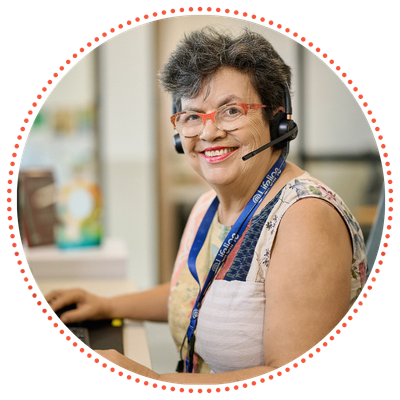
The initial three-month period of face-to-face and online training for new volunteers
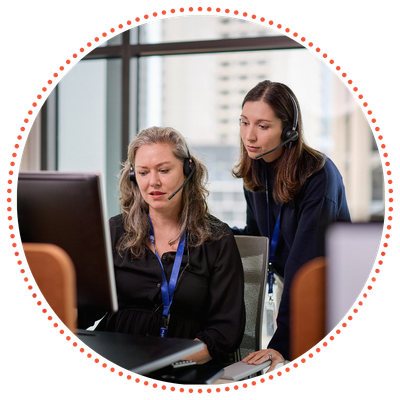
The cost of their training and supervision during a two-month placement in a Crisis Support Centre

Their supervision during an 80-hour internship that’s a prerequisite for ‘graduation’

Q&A with Orion (Lifeline Queensland Call Coach)
Orion completed his Lifeline phone training in 2017. He has supported thousands of Help-Seekers and facilitated over 200 Crisis Supporters to grow their skills.
He explains some of the reasons men like Mat are struggling, and how you and Lifeline Queensland can help.
Why do you think men can struggle with their mental wellbeing?
One of the main factors is the way we, as men, can internalise our emotions and try to deal with things on our own.
We can feel a societal expectation to be strong, to provide, and to be able to push through without help. Those difficult feelings may only get heavier the harder we push them down.
With mounting living pressures, issues can compound, building up and weighing us down until we can’t get up.
Feeling able to talk about things without having to pretend we’re okay can be an important first step to relieving some of this burden.
What should someone do if they notice someone in their life is struggling with their mental health?
If someone you care about appears to be struggling, offer them the space to talk and feel genuinely heard. They’re not necessarily looking for you to come up with solutions; they want to feel safe, heard, and understood.
Someone may have their own solutions, and what we can do is really hear them and encourage them to pursue those.
As men, sharing our feelings may come a little less naturally than it might for others, but you can always offer space to do something with us; going for a bushwalk, a bike ride, or even just a chat over coffee.
Are calls to Lifeline from men different?
Everyone who reaches out for help is different. At Lifeline, we offer support through our CARE framework (Connecting, Attending to the Help-Seeker’s needs, Reaffirming, and Empowering) to meet the unique needs of each person seeking help, regardless of their gender, age, race, or background.
Men can come across as a little more practical, and we try to work with that, offering the same level of support to each and every person seeking help.
How can you help Lifeline be there for someone in crisis?
Lifeline supports Help-Seekers in all stages of crisis, but by the time many men reach out, they’ve reached their breaking point. That makes it all the more critical that a trained Crisis Supporter is there to answer their call.
With your donation, Lifeline Queensland can continue to train new Crisis Supporters and support existing teams, so that Lifeline can offer 24/7 support, every day of the year.
Other ways to donate
If you’d prefer to donate over the phone, by BPAY or post, give our friendly Fundraising Support team a call on 1800 961 881 (9am to 4pm, Mon – Fri).


